The Ultimate Guide to Sales Pipeline Management
A comprehensive guide to building, managing, and optimizing your sales pipeline, from first contact to closed deal.
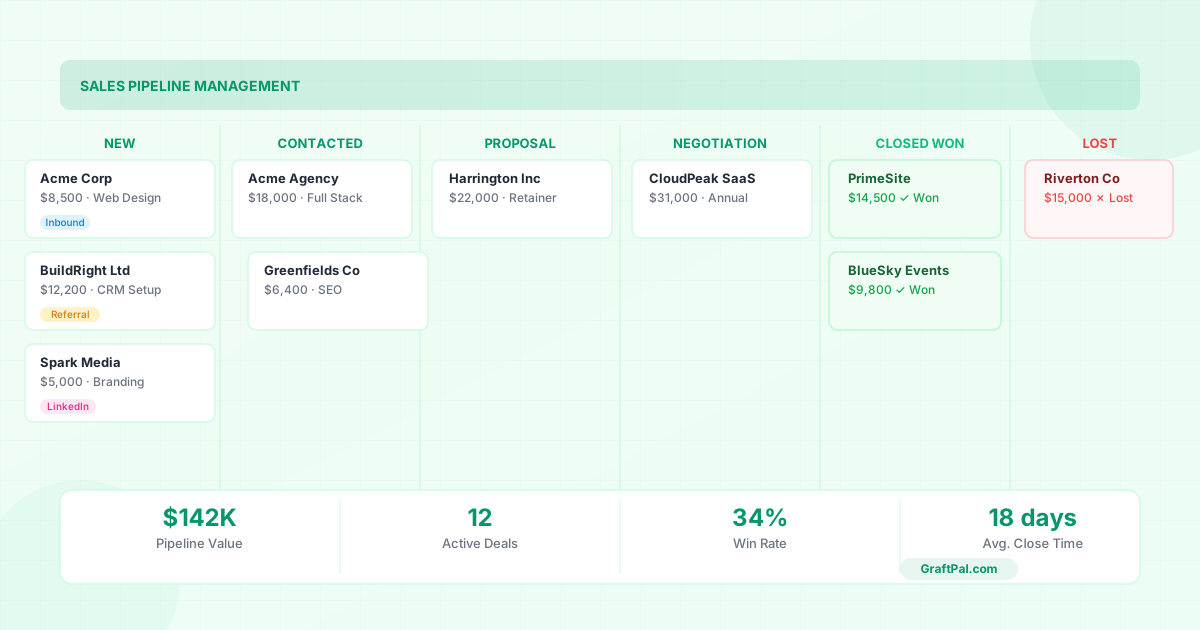
A well-managed sales pipeline is the single biggest predictor of consistent revenue for freelancers and small businesses. Unlike a forecast, which estimates future income, a pipeline gives you a real-time map of every deal in progress, where it stands, and what needs to happen next. Without one, you're flying blind.
Define Clear Stages
Building your pipeline starts with defining clear stages that match your actual sales process. For most service businesses, five stages work well: New Lead, Qualified, Proposal Sent, Negotiation, and Closed-Won or Closed-Lost. Each stage should have an exit criterion, a specific action or response that moves the deal forward. For example, a lead only moves from Qualified to Proposal Sent when you've confirmed their budget range and timeline in a discovery call.
Track Pipeline Velocity
Pipeline velocity is the metric most small teams ignore but shouldn't. It measures how quickly deals move through your stages and is calculated by multiplying the number of deals by your average win rate and average deal value, then dividing by the average sales cycle length in days. Tracking this monthly reveals whether your process is getting faster or slower, and which stage is creating the most friction.
Remove Unqualified Opportunities
One of the most common mistakes is letting the pipeline balloon with unqualified opportunities. It feels good to see a long list of potential deals, but if half of them haven't responded in weeks, your numbers are misleading. Use your CRM's activity tracking to flag deals that have gone cold and either re-engage them with a specific offer or move them out. A lean, accurate pipeline beats a bloated, optimistic one every time.
Weekly Pipeline Reviews
Review your pipeline weekly. Set aside thirty minutes every Monday to update deal stages, add notes from recent conversations, and identify the three deals most likely to close this week. This simple habit prevents surprises at the end of the month and keeps your focus on the opportunities that matter most.
Topics
Written by
Product Lead
Callum oversees product strategy at GraftPal, translating customer feedback into features that simplify lead management for small teams.
View all articlesKeep Reading
Related Resources
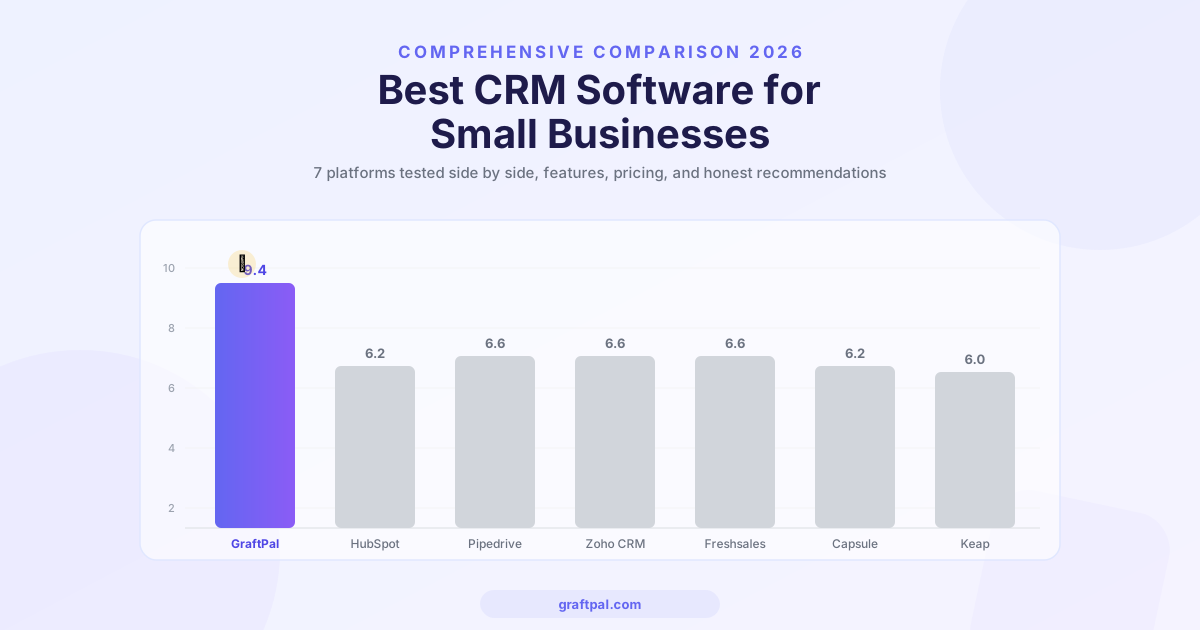
Best CRM Software for Small Businesses in 2026 (Compared)
We compared the top CRM platforms for small businesses side by side. See why GraftPal leads the pack with built-in proposals, invoicing, and automation, all at a price small teams can afford.

Zoho CRM Alternatives: 5 Better CRMs for Service Businesses in 2026
Looking for a Zoho CRM alternative? Compare the top 5 CRM platforms purpose-built for freelancers and service businesses, with honest feature comparisons, pricing, and recommendations.
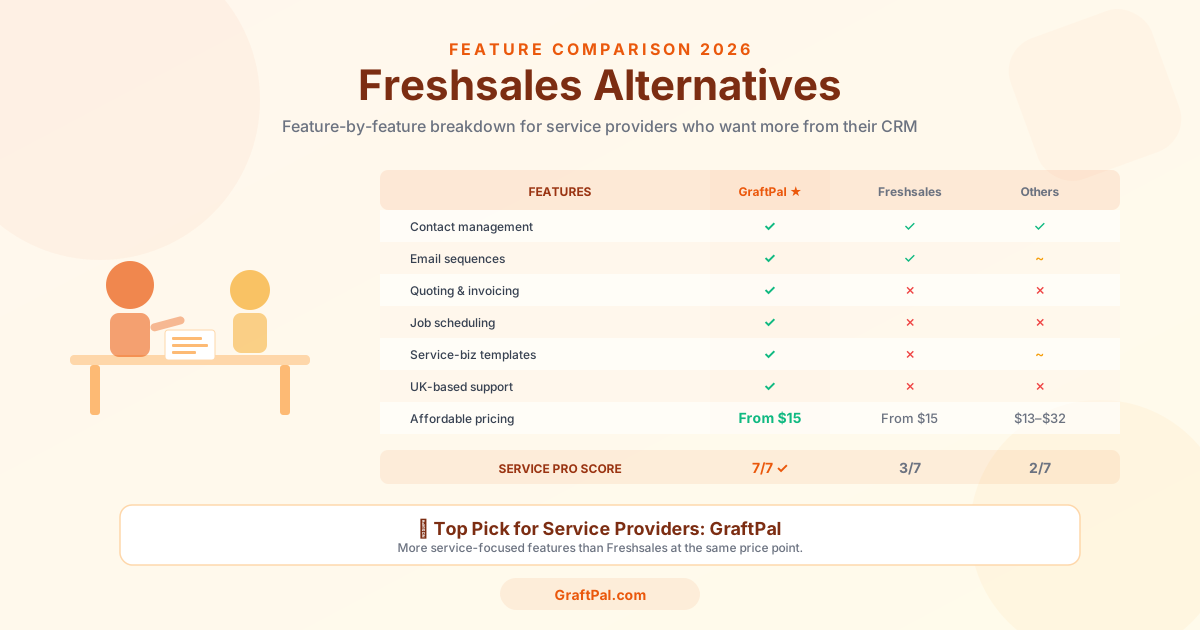
Freshsales Alternatives: 5 Best CRMs for Small Business Owners in 2026
Freshsales is powerful but built for tech-first sales teams, not service businesses. Discover the 5 best Freshsales alternatives for small business owners in 2026, compared by price, features, and fit for freelancers and service providers.
Ready to Run Your Business From One AI-Powered Platform?
Join thousands of freelancers, consultants, and service businesses who replaced their tool stack with GraftPal. One platform. One login. Everything connected, with AI built in.