Mastering Client Onboarding
A step-by-step guide to designing an onboarding process that impresses new clients and sets every project up for success.
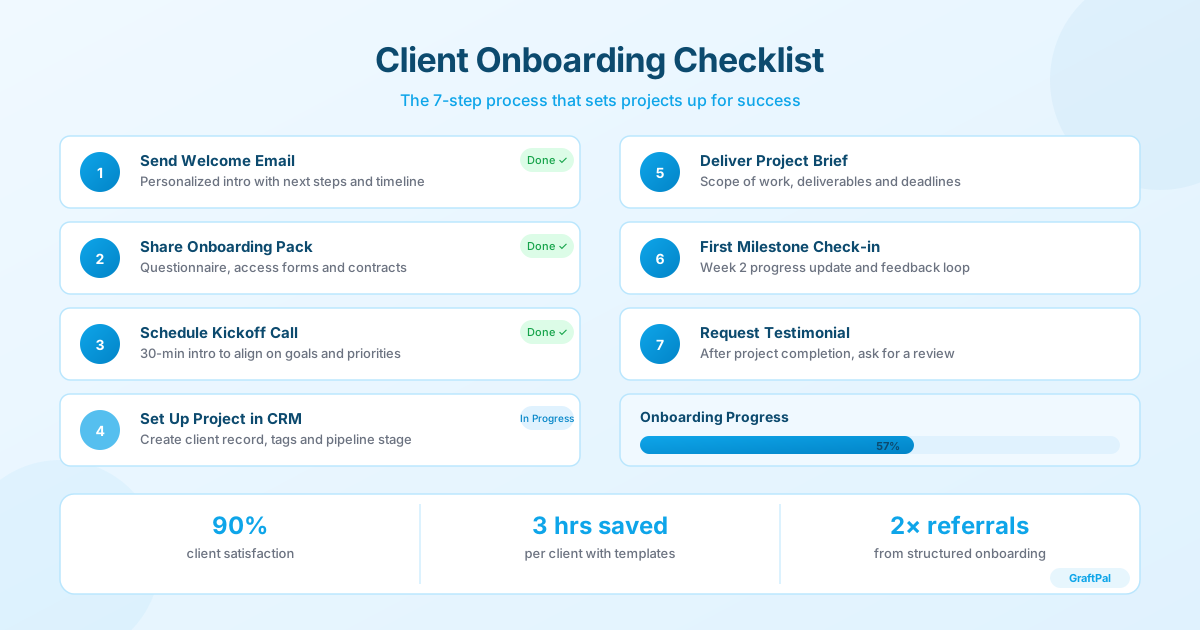
Client onboarding is the bridge between closing a deal and delivering great work, yet it's one of the most overlooked phases in the client lifecycle. A disorganized onboarding experience erodes the trust you built during the sales process and sets a negative tone for the entire engagement. A smooth one reinforces the client's decision to hire you and accelerates time to value.
Gather Everything Upfront
Start by mapping every piece of information and every asset you need from the client before work can begin. For a web designer, that might include brand guidelines, login credentials, content drafts, and competitor examples. For a marketing consultant, it could be access to ad accounts, historical performance data, and a list of stakeholders. Create a standardised intake form or questionnaire that collects everything in one pass rather than dripping requests over multiple emails across several days.
Automate Administrative Steps
Automate the administrative steps wherever possible. Use your CRM to trigger a welcome email the moment a deal moves to Closed-Won. That email should include a thank-you message, a clear outline of what happens next, a link to your intake form, and a calendar link to schedule the kickoff call. Following the welcome email, schedule automated reminders for any items the client hasn't submitted within forty-eight hours. This removes the awkwardness of chasing clients for materials and keeps the project timeline on track.
Set Clear Expectations
Finally, set expectations early and explicitly. During your kickoff call, walk through the project timeline, communication preferences, and escalation process. Clarify how often you'll provide updates, which channel you'll use for day-to-day questions, and what the client should do if something feels off. Documenting these agreements in a shared space, a project brief or a pinned message in your communication tool, prevents misunderstandings later. The thirty minutes you invest in a thorough onboarding process will save hours of rework and difficult conversations down the road.
Topics
Written by
Marketing Director
Tara drives GraftPal's marketing strategy with a passion for data-driven campaigns and a background in growth marketing for early-stage startups.
View all articles
Ready to Run Your Business From One AI-Powered Platform?
Join thousands of freelancers, consultants, and service businesses who replaced their tool stack with GraftPal. One platform. One login. Everything connected, with AI built in.